Featured

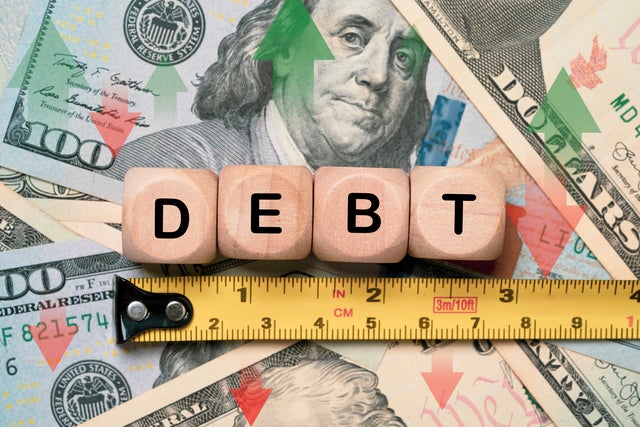
The Effect of Lower Rates for Debt Consolidation Near Households
Table of Contents
- – Assessing Home Equity Options in Debt Consolid...
- – The Mathematics of Interest Reduction in the ...
- – Picking In Between HELOCs and Home Equity Loans
- – The Threat of Collateralized Debt
- – Nonprofit Credit Counseling as a Safeguard
- – Tax Implications in 2026
- – The Step-by-Step Consolidation Process
Assessing Home Equity Options in Debt Consolidation Near
House owners in 2026 face an unique financial environment compared to the start of the decade. While home values in Debt Consolidation Near have actually stayed relatively stable, the expense of unsecured customer financial obligation has actually climbed substantially. Credit card rates of interest and personal loan costs have actually reached levels that make bring a balance month-to-month a significant drain on household wealth. For those living in the surrounding region, the equity developed in a main residence represents among the few staying tools for reducing overall interest payments. Using a home as collateral to pay off high-interest financial obligation needs a calculated approach, as the stakes include the roofing over one's head.
Rate of interest on charge card in 2026 often hover between 22 percent and 28 percent. Meanwhile, a Home Equity Credit Line (HELOC) or a fixed-rate home equity loan normally brings an interest rate in the high single digits or low double digits. The reasoning behind debt combination is easy: move debt from a high-interest account to a low-interest account. By doing this, a larger portion of each month-to-month payment goes toward the principal rather than to the bank's profit margin. Families often seek Credit Relief to manage rising expenses when conventional unsecured loans are too costly.
The Mathematics of Interest Reduction in the regional area
The primary objective of any combination technique ought to be the decrease of the total quantity of cash paid over the life of the financial obligation. If a house owner in Debt Consolidation Near has 50,000 dollars in charge card debt at a 25 percent rates of interest, they are paying 12,500 dollars a year just in interest. If that same quantity is transferred to a home equity loan at 8 percent, the annual interest cost drops to 4,000 dollars. This creates 8,500 dollars in instant yearly cost savings. These funds can then be utilized to pay down the principal quicker, reducing the time it takes to reach an absolutely no balance.
There is a mental trap in this process. Moving high-interest financial obligation to a lower-interest home equity item can produce an incorrect sense of financial security. When credit card balances are wiped clean, many individuals feel "debt-free" even though the financial obligation has actually merely shifted locations. Without a change in spending habits, it prevails for consumers to start charging brand-new purchases to their charge card while still settling the home equity loan. This behavior leads to "double-debt," which can rapidly end up being a catastrophe for homeowners in the United States.
Picking In Between HELOCs and Home Equity Loans
House owners need to choose in between 2 primary products when accessing the value of their residential or commercial property in the regional area. A Home Equity Loan supplies a swelling amount of money at a fixed rates of interest. This is frequently the preferred choice for debt combination since it uses a foreseeable monthly payment and a set end date for the debt. Understanding exactly when the balance will be settled offers a clear roadmap for monetary healing.
A HELOC, on the other hand, functions more like a charge card with a variable rates of interest. It enables the property owner to draw funds as required. In the 2026 market, variable rates can be risky. If inflation pressures return, the interest rate on a HELOC could climb, wearing down the very savings the homeowner was attempting to record. The introduction of Jersey City Financial Assistance offers a path for those with significant equity who prefer the stability of a fixed-rate installation plan over a revolving credit line.
The Threat of Collateralized Debt
Shifting debt from a charge card to a home equity loan alters the nature of the responsibility. Charge card debt is unsecured. If a person stops working to pay a charge card costs, the lender can take legal action against for the cash or damage the person's credit rating, however they can not take their home without a strenuous legal procedure. A home equity loan is secured by the home. Defaulting on this loan offers the lending institution the right to initiate foreclosure procedures. Property owners in Debt Consolidation Near should be certain their earnings is stable enough to cover the brand-new regular monthly payment before proceeding.
Lenders in 2026 usually need a homeowner to maintain a minimum of 15 percent to 20 percent equity in their home after the loan is secured. This indicates if a house deserves 400,000 dollars, the overall financial obligation versus the house-- consisting of the main home mortgage and the new equity loan-- can not go beyond 320,000 to 340,000 dollars. This cushion safeguards both the lending institution and the homeowner if residential or commercial property worths in the surrounding region take an abrupt dip.
Nonprofit Credit Counseling as a Safeguard
Before taking advantage of home equity, lots of economists recommend a consultation with a nonprofit credit counseling agency. These companies are typically authorized by the Department of Justice or HUD. They offer a neutral perspective on whether home equity is the right move or if a Debt Management Program (DMP) would be more reliable. A DMP involves a therapist working out with lenders to lower interest rates on existing accounts without needing the house owner to put their home at risk. Financial coordinators advise looking into Credit Relief in Minnesota before debts end up being unmanageable and equity becomes the only staying option.
A credit therapist can likewise assist a local of Debt Consolidation Near develop a realistic budget plan. This budget is the structure of any effective debt consolidation. If the underlying cause of the financial obligation-- whether it was medical bills, task loss, or overspending-- is not dealt with, the new loan will just offer momentary relief. For numerous, the objective is to utilize the interest savings to rebuild an emergency fund so that future costs do not lead to more high-interest borrowing.
Tax Implications in 2026
The tax treatment of home equity interest has altered throughout the years. Under current guidelines in 2026, interest paid on a home equity loan or credit line is generally just tax-deductible if the funds are used to buy, construct, or substantially enhance the home that secures the loan. If the funds are utilized strictly for debt consolidation, the interest is generally not deductible on federal tax returns. This makes the "real" cost of the loan slightly greater than a mortgage, which still takes pleasure in some tax benefits for main residences. House owners need to consult with a tax professional in the local area to understand how this affects their particular situation.
The Step-by-Step Consolidation Process
The procedure of utilizing home equity starts with an appraisal. The lending institution requires a professional appraisal of the residential or commercial property in Debt Consolidation Near. Next, the lender will review the applicant's credit rating and debt-to-income ratio. Despite the fact that the loan is protected by property, the lender desires to see that the property owner has the capital to handle the payments. In 2026, lenders have actually ended up being more rigid with these requirements, focusing on long-term stability rather than simply the current value of the home.
When the loan is approved, the funds ought to be utilized to settle the targeted credit cards instantly. It is often smart to have the loan provider pay the financial institutions directly to prevent the temptation of utilizing the money for other functions. Following the payoff, the property owner ought to think about closing the accounts or, at the minimum, keeping them open with a zero balance while hiding the physical cards. The goal is to guarantee the credit history recovers as the debt-to-income ratio enhances, without the danger of running those balances back up.
Debt combination stays a powerful tool for those who are disciplined. For a homeowner in the United States, the difference in between 25 percent interest and 8 percent interest is more than just numbers on a page. It is the distinction in between years of financial stress and a clear course towards retirement or other long-lasting objectives. While the dangers are genuine, the capacity for overall interest decrease makes home equity a main factor to consider for anyone battling with high-interest customer financial obligation in 2026.

Table of Contents
- – Assessing Home Equity Options in Debt Consolid...
- – The Mathematics of Interest Reduction in the ...
- – Picking In Between HELOCs and Home Equity Loans
- – The Threat of Collateralized Debt
- – Nonprofit Credit Counseling as a Safeguard
- – Tax Implications in 2026
- – The Step-by-Step Consolidation Process
Latest Posts
Strategies to Restore Financial Health After Debt in 2026

Qualifying for Public Financial Relief in 2026
Finding Financial Guidance for the 2026 Economic Crisis
More
Latest Posts
Strategies to Restore Financial Health After Debt in 2026
Qualifying for Public Financial Relief in 2026
Finding Financial Guidance for the 2026 Economic Crisis